Oral Appliance Therapy for Sleep Apnea: A CPAP Alternative From Your Dentist
A custom oral appliance holds your lower jaw slightly forward to keep your airway open while you sleep. Who it works for, how you get one and how it compares with CPAP.

By Dr. Stephanie P. Lee, DDS · 4 min read
In this article
If you have obstructive sleep apnea and your CPAP machine sits unused on the nightstand, you are not alone, and you may have another option. A custom oral appliance, made by a dentist and worn like a mouthguard, can keep your airway open while you sleep.
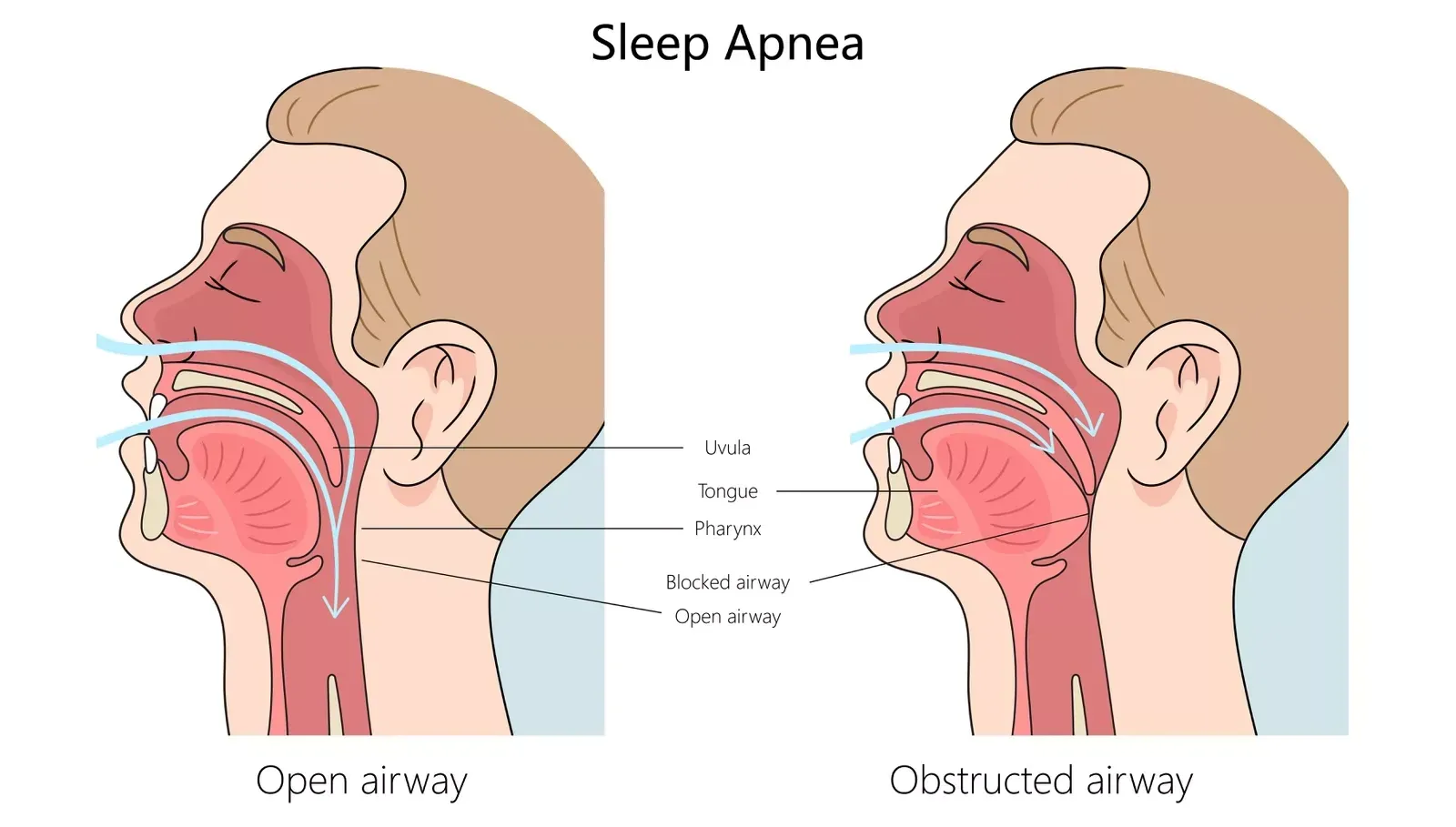
The short answer: an oral appliance gently holds your lower jaw a little forward during sleep. That keeps your tongue and the soft tissue in your throat from falling back and blocking your airway. For many people with mild to moderate obstructive sleep apnea, and for people who cannot tolerate CPAP, it is an effective, quiet and travel-friendly treatment. You need a diagnosis from a physician first.
How Sleep Apnea Blocks Your Airway
When you fall asleep, the muscles in your throat relax. In obstructive sleep apnea, the tongue and soft tissue at the back of the throat collapse into the airway and block it, over and over through the night. Each time, your oxygen drops and your brain briefly wakes you to start breathing again, usually without you noticing.
Common signs include:
- Loud snoring, or a partner noticing pauses in your breathing
- Waking up gasping or choking
- Morning headaches or a dry mouth
- Daytime sleepiness, even after a full night in bed
- Trouble concentrating, irritability or low energy
Untreated sleep apnea is linked to high blood pressure, heart disease, stroke and diabetes, so it is worth taking seriously.
How an Oral Appliance Works
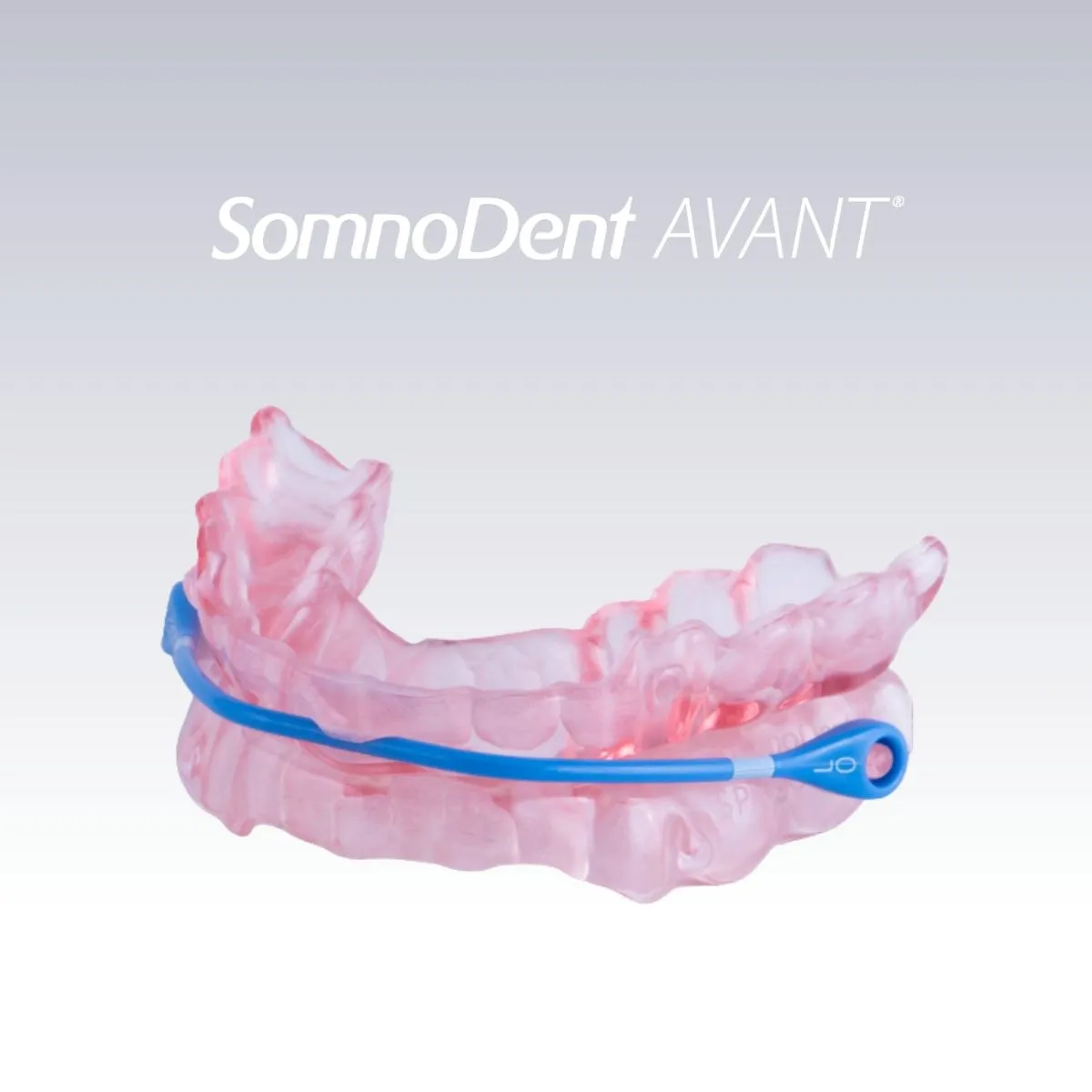
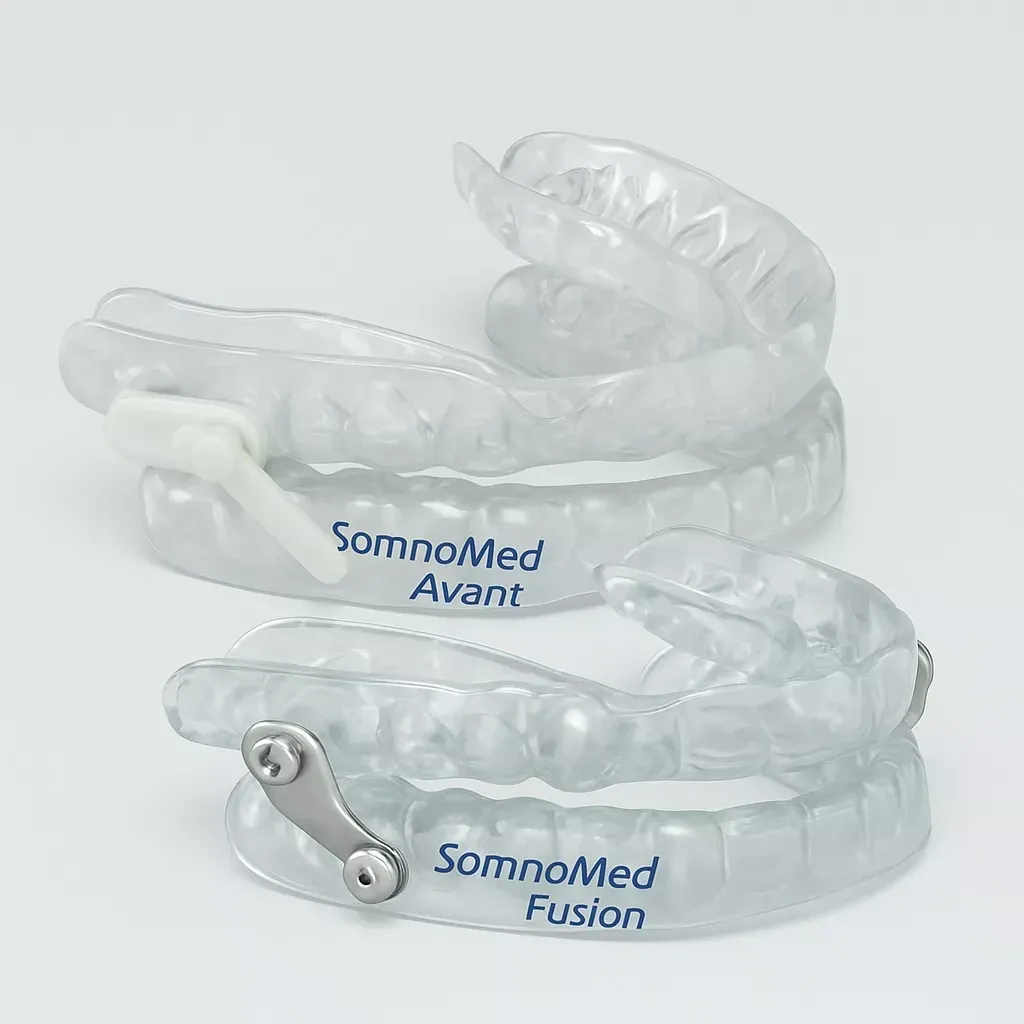
The appliance is two custom trays, one for your upper teeth and one for your lower teeth, connected so the lower jaw sits slightly forward. Moving the jaw forward pulls the tongue forward with it and keeps the airway at the back of the throat open.
At Science of Smiles, Dr. Lee uses the SomnoDent Avant by SomnoMed, a slim, flexible appliance made from digital scans. It lets you open and close your mouth, talk and drink water while wearing it, and it can be adjusted a little at a time until it works best for you.
Who Is a Good Candidate?
An oral appliance may be right for you if:
- You have been diagnosed with mild to moderate obstructive sleep apnea
- You have moderate to severe sleep apnea but cannot tolerate CPAP
- You snore heavily and a sleep test has ruled out, or confirmed, sleep apnea
- You travel often and want something small and quiet
It may not be the best choice if you have very few healthy teeth, active gum disease, or a jaw joint problem that makes holding the jaw forward painful. Dr. Lee checks your teeth, gums and jaw joints before recommending one.
Oral Appliance vs. CPAP
| CPAP | Oral appliance | |
|---|---|---|
| How it works | A machine blows air through a mask to hold the airway open | Holds the lower jaw forward to keep the airway open |
| Best for | All levels of sleep apnea, especially severe | Mild to moderate sleep apnea, or anyone who cannot use CPAP |
| Comfort | Mask, hose and noise can be hard to get used to | Fits over your teeth, no mask or noise |
| Travel | Needs power and space | Fits in a small case |
| Common side effects | Dry nose, mask leaks, skin irritation | Temporary jaw or tooth soreness, extra saliva or dry mouth |
CPAP is very effective when it is worn, but many people stop using it. A treatment you wear every night can work better than a stronger one that stays in the drawer.
How You Get an Oral Appliance
- Get a diagnosis. Sleep apnea has to be diagnosed by a physician, usually with an overnight sleep study or a home sleep test. Dentists cannot diagnose it.
- Dental exam. Dr. Lee checks your teeth, gums, bite and jaw joints to make sure an appliance is safe for you.
- Digital scans. Your appliance is made from 3D scans of your teeth, so there are no messy impressions.
- Fitting and adjustment. You receive your appliance and learn how to wear and clean it. Over the next few weeks it is adjusted a little at a time.
- Follow-up sleep test. Once the appliance has been adjusted to the position that gives the treatment effect you need, you complete a follow-up sleep test with your sleep physician to confirm it is working.
- Ongoing checkups. Regular visits keep the appliance working and check your teeth and bite.
Snoring Without Sleep Apnea
Not everyone who snores has sleep apnea. If a sleep test shows you only snore, an appliance can still help, and our snoring page explains those options. Because snoring can be a sign of sleep apnea, it is best to be tested first rather than treat the snoring alone.
Sleep Apnea Treatment at Science of Smiles in Pasadena
Dr. Stephanie P. Lee works with your physician to provide custom oral appliance therapy for adults with obstructive sleep apnea. Learn more about sleep apnea treatment in Pasadena, call us at (626) 795-0221, or schedule your appointment online.
FAQs
Does insurance cover an oral appliance for sleep apnea?
Because sleep apnea is a medical condition, oral appliances are often billed to medical insurance rather than dental insurance, and many plans cover them with a diagnosis. Our team can help check your benefits.
How long does it take to get used to an oral appliance?
Most people adjust within a week or two. Mild jaw or tooth soreness in the morning is common at first and usually fades.
Can an oral appliance change my bite?
Bite changes can happen over time with an appliance that holds the lower jaw forward. We provide a morning repositioner, a small device that helps minimize those changes, and regular checkups let Dr. Lee watch your bite.
How long does an oral appliance last?
With good care, a custom appliance usually lasts several years before it needs to be replaced.
More from the Smile Blog
- Onlay vs. Crown: When You Don’t Need a Full CrownAn onlay covers only the damaged part of a tooth, while a crown covers all of it. How they compare and when a biomimetic dentist chooses one over the other.
- Does Teeth Whitening Damage Your Enamel? Understanding the Risks and BenefitsSee teeth whitening before and after results and what to expect. Explore before and after pictures of teeth whitening to compare professional results.
- Professional Teeth Whitening Before and After: What Results Can You Expect?See teeth whitening before and after results and what to expect. Explore before and after pictures of teeth whitening to compare professional results.