What Are Dental Caries and How Do You Treat Them?

Dental caries are one of the most common oral health concerns, but when they are caught early, they do not always have to lead to drilling, fillings, or more invasive dental work. Early caries can often be stopped before they become cavities, especially when your dentist identifies them at the first signs of enamel breakdown.
This patient’s guide explains what dental caries are, how they develop, what early caries look and feel like, and how to treat dental caries properly. It also explains why Curodont Repair Fluoride Plus is one of the best treatment options for early-stage caries, especially for patients who want a conservative, biomimetic approach to dental care.
What Are Dental Caries?
Dental caries are areas of tooth damage caused by acid-producing bacteria in the mouth. Many people simply call them “tooth decay” or “cavities,” but dental caries can begin long before a visible hole forms in the tooth.
When bacteria feed on sugars and carbohydrates from food and drinks, they produce acids. These acids gradually pull minerals out of the enamel, which is the hard outer layer of the tooth. This early mineral loss is called demineralization.
At first, dental caries may appear as a chalky white spot, a dull patch, or a subtle change in the enamel. At this stage, the tooth structure may still be intact. That is why early diagnosis matters so much: early caries can often be treated without drilling when the enamel has not fully broken down.

What Are the Stages of Dental Caries?
Dental caries develop gradually. They often begin as early enamel changes before progressing into deeper tooth damage. Understanding the stages of dental caries can help patients recognize why early diagnosis and treatment are so important.
Stage 1: Early Enamel Demineralization
The first stage of dental caries begins when acids from bacteria start pulling minerals out of the enamel. At this point, the tooth surface may still be intact, but the enamel has started to weaken.
This stage may appear as a white, chalky, or dull-looking spot on the tooth. Because there is no open cavity yet, early enamel demineralization may often be treated with non-invasive options such as fluoride therapy, improved home care, dietary changes, etc.

Stage 2: Enamel Decay
If mineral loss continues, the enamel can begin to break down. This is when an early caries lesion may progress into a small cavity. Some patients may notice mild sensitivity, roughness, staining, or food catching in the affected area.
At this stage, treatment depends on how much tooth structure has been damaged. Some very early enamel lesions may still be candidates for remineralization-focused care, while more advanced enamel breakdown may require a small filling.

Stage 3: Dentin Decay
Once dental caries move through the enamel and reach the dentin, the decay can progress more quickly. Dentin is softer than enamel and sits closer to the nerve of the tooth.
Patients may experience increased sensitivity to cold, sweets, or pressure. At this stage, the tooth usually needs restorative treatment, such as a filling, inlay, or onlay, to remove the damaged area and protect the tooth.

Stage 4: Pulp Involvement
If dental caries continue untreated, bacteria can reach the pulp, which contains the tooth’s nerves and blood vessels. This can cause persistent tooth pain, lingering sensitivity, swelling, or infection.
Treatment may require root canal therapy or another advanced procedure to save the tooth and eliminate infection.
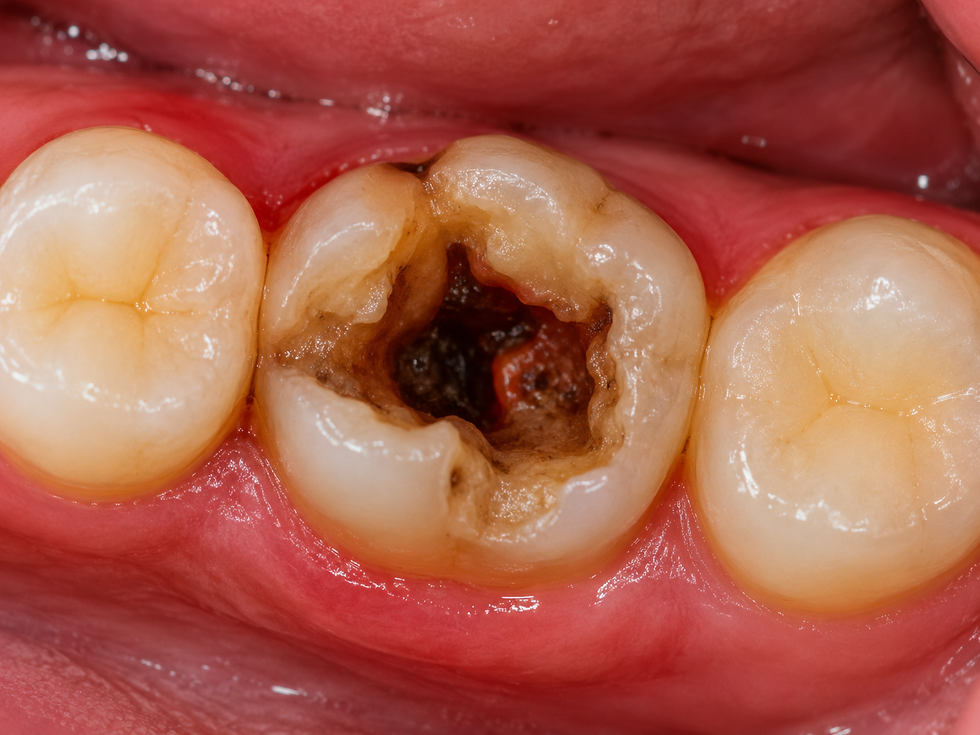
Stage 5: Abscess or Severe Tooth Damage
In the most advanced stage, untreated dental caries can lead to an abscess, significant infection, or severe structural damage. The tooth may become painful to bite on, and swelling may spread to the gums, jaw, or face.
At this point, treatment becomes more urgent and may involve root canal therapy, a crown, drainage of infection, or extraction if the tooth cannot be saved.

Dental Caries vs. Cavities: What Is the Difference?
Dental caries and cavities are closely related, but they are not always the same thing.
Dental caries refer to the disease process that weakens and damages the tooth. A cavity is the physical hole or breakdown that can form when caries progress far enough.
In other words, all cavities are caused by dental caries, but not all dental caries have become cavities yet. This distinction is important because early dental caries may be reversible or arrestable, while advanced cavities usually require restorative treatment such as a filling, crown, or more extensive dental care.
Common Signs of Early Dental Caries
Early dental caries may not cause obvious symptoms. However, some patients notice changes such as:
White, chalky, or dull spots on the teeth
Mild tooth sensitivity
Sensitivity to sweets, cold drinks, or acidic foods
Rough or weakened enamel texture
Staining in grooves or between teeth
Food getting stuck in certain areas
Pain is usually a sign that decay has progressed. If you wait until a tooth hurts, the caries may already be deeper and more difficult to treat conservatively.
What Causes Dental Caries?
Dental caries develop when the balance between mineral loss and mineral repair is disrupted. Teeth naturally go through cycles of demineralization and remineralization every day. Problems begin when acids attack the enamel faster than the mouth can repair it.
Common risk factors include:
Frequent snacking or sipping sugary drinks
Dry mouth or reduced saliva flow
Inconsistent brushing or flossing
Deep grooves in molars
Crowded teeth that are difficult to clean
Orthodontic appliances
Acidic foods and beverages
A history of cavities
High levels of cavity-causing bacteria
Not using fluoride toothpaste consistently
Saliva plays an important role in protecting teeth because it helps neutralize acids and supplies minerals such as calcium and phosphate. When saliva is reduced, the risk of dental caries increases.
Why Early Diagnosis Matters
The earlier dental caries are found, the more treatment options you have. Once the enamel surface breaks down and a cavity forms, the tooth usually cannot repair itself enough to avoid a restoration. At that point, your dentist may need to remove damaged tooth structure and place a filling.
Early caries are different. Because the enamel may still be intact, the goal is to stop the disease process, strengthen the weakened area, and preserve as much natural tooth structure as possible.
This is where modern, minimally invasive dentistry is changing how early decay is treated.
How to Treat Dental Caries
The right treatment depends on how advanced the caries are. Early dental caries may be treated with non-invasive or minimally invasive therapies, while deeper cavities require restorative care.

1. Improve Daily Oral Hygiene
A strong home care routine is essential. Brush twice daily with fluoride toothpaste, floss once daily, and clean carefully along the gumline and between teeth. Patients with early caries may also benefit from an electric toothbrush, prescription-strength fluoride toothpaste, or additional cleaning tools recommended by their dentist.
2. Reduce Acid and Sugar Exposure
Diet plays a major role in caries risk. Frequent sugar exposure gives bacteria more fuel to produce acid. Sipping sweetened coffee, soda, juice, sports drinks, or energy drinks throughout the day can be especially harmful because the teeth are exposed to acid repeatedly.
To lower your risk, limit sugary snacks, drink more water, avoid grazing throughout the day, and keep acidic beverages to mealtimes when possible.
3. Use Fluoride for Remineralization Support
Fluoride helps strengthen enamel and makes teeth more resistant to acid attacks. It can also support remineralization in early enamel lesions. Fluoride toothpaste, professional fluoride treatments, and dentist-recommended home products may be part of a caries prevention plan.
4. Treat Early Caries with Curodont Repair Fluoride Plus
For early-stage dental caries, Curodont Repair Fluoride Plus is one of the best treatment options because it is designed to treat the beginning stages of decay before a traditional filling is needed.
Curodont Repair Fluoride Plus uses a biomimetic approach known as guided enamel remineralization. Rather than simply covering the tooth surface, it helps encourage mineral repair within the early lesion by supporting the formation of hydroxyapatite, the mineral that naturally makes up tooth enamel.
This makes Curodont especially valuable for patients who have early enamel lesions, white spot lesions, or early caries between the teeth that have not yet developed into full cavities.
Benefits of Curodont Repair Fluoride Plus may include:
Drill-free treatment for early caries
No anesthesia needed in many cases
Preservation of natural tooth structure
Support for enamel remineralization
A conservative alternative to “watching” early decay
A biomimetic treatment approach that works with the tooth’s natural mineral structure
Curodont Repair Fluoride Plus is not a replacement for fillings when a cavity is already advanced. However, when dental caries are caught early, it can be an excellent way to help stop progression and protect the tooth before more invasive treatment becomes necessary.
5. Place Sealants When Appropriate
Dental sealants may be recommended for deep grooves in molars, especially in children, teens, or adults with higher cavity risk. Sealants create a protective barrier over vulnerable chewing surfaces and can help reduce the risk of future dental caries.
6. Restore Advanced Cavities When Needed
If dental caries have progressed into a cavity, your dentist may need to remove the damaged tooth structure and restore the tooth with a filling, inlay, onlay, or crown. The goal is to stop the decay, restore function, and prevent further damage.
For deep decay that reaches the nerve, root canal treatment or other advanced care may be necessary. This is why early detection and treatment are so important.
Can Dental Caries Heal on Their Own?
Early dental caries can sometimes be remineralized or arrested, but they usually need the right conditions to do so. That means excellent oral hygiene, lower sugar exposure, adequate saliva, fluoride support, and professional monitoring.
Once a true cavity forms, the tooth cannot regrow the missing structure on its own. At that stage, restorative treatment is typically needed.
This is why patients should not ignore early signs such as white spots, sensitivity, or areas your dentist is monitoring. Treating early caries promptly can help you avoid more complex dental treatment later.
How to Prevent Dental Caries from Getting Worse
To keep early dental caries from progressing, focus on prevention and early intervention:
Brush twice daily with fluoride toothpaste
Floss every day
Drink water frequently
Limit sugary and acidic drinks
Avoid constant snacking
Keep up with routine dental cleanings and exams
Ask about Curodont Repair Fluoride Plus for early caries
Follow your dentist’s recommendations for fluoride, sealants, or prescription products
The best strategy is personalized. Your dentist can evaluate your enamel, saliva, diet, bite, home care habits, and cavity history to create a prevention plan that fits your needs.
Dental Caries Treatment at Science of Smiles in Pasadena
At Science of Smiles in Pasadena, we believe early dental caries should be treated with precision, prevention, and respect for your natural tooth structure. Our biomimetic approach to dental care focuses on preserving healthy enamel whenever possible and using treatment options that support the way teeth are naturally designed to function.
That is why we are proud to offer Curodont Repair Fluoride Plus for eligible early caries. This innovative, non-invasive treatment allows us to address early enamel damage before it becomes a larger cavity. Instead of waiting for decay to get worse or immediately turning to drilling, we can help support natural enamel repair and protect your long-term oral health.
If you have been told you have early dental caries, white spot lesions, or areas that are being “watched,” Curodont Repair Fluoride Plus may be the ideal next step.

Stop Early Dental Caries Before They Become Cavities. Contact Science of Smiles Today to Schedule a Consultation
Dental caries do not always have to become cavities. When they are detected early, modern dentistry offers conservative options that can help strengthen enamel, stop progression, and preserve your natural smile. Contact Science of Smiles in Pasadena today at (626) 795-0221 or book an appointment directly online to learn whether Curodont Repair Fluoride Plus is right for your smile.
FAQs
Are dental caries the same as cavities?
Dental caries refer to the disease process that damages the tooth, while a cavity is the hole or structural breakdown that can result from untreated caries. Early dental caries may not be a cavity yet, which means they may still be treated with non-invasive options.
Can early dental caries be reversed?
Early dental caries can often be stopped, arrested, or remineralized when the enamel surface is still intact. Once a cavity forms and tooth structure is lost, the tooth usually needs restorative treatment such as a filling.
What is the best treatment for early dental caries?
Curodont Repair Fluoride Plus is one of the best treatment options for early dental caries because it supports enamel repair without drilling. It is especially helpful for early enamel lesions, white spot lesions, and areas of early decay that have not yet developed into larger cavities.
When should I see a dentist for dental caries?
You should see a dentist if you notice white spots, tooth sensitivity, staining, rough enamel, food trapping, or any signs of tooth pain. Even if you do not have symptoms, routine exams can detect early dental caries before they become cavities.
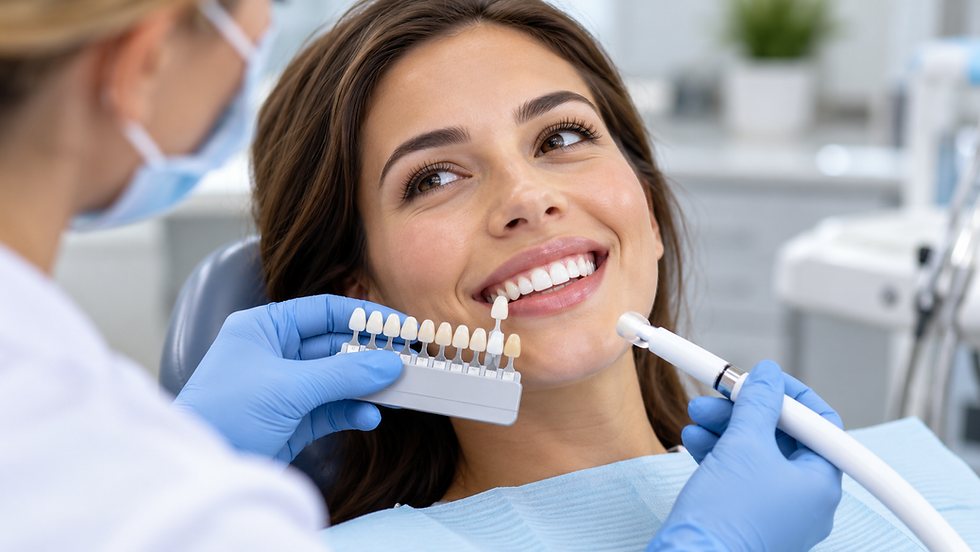
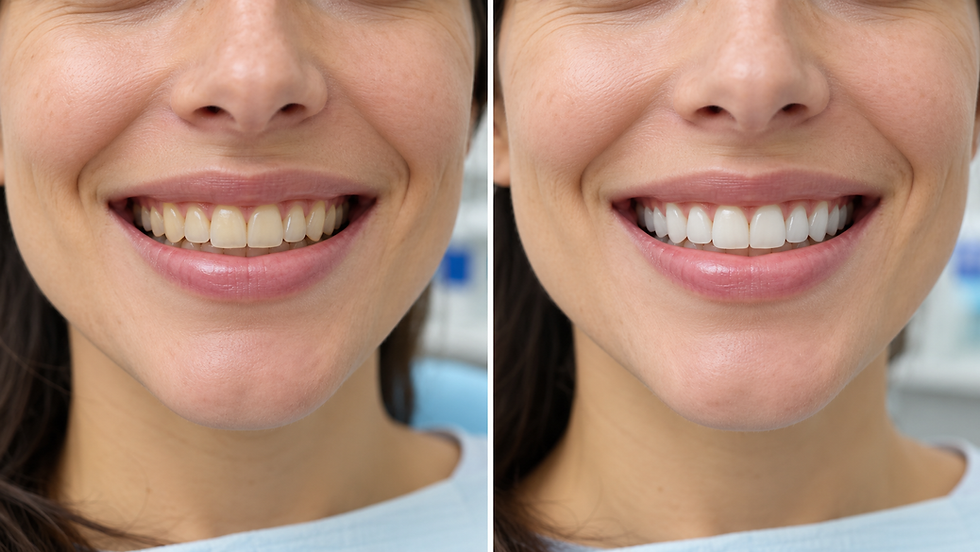

One of the most important points here is that dental caries should be addressed before a visible cavity develops. The focus on early enamel damage also highlights why remineralization and preventive treatment are becoming increasingly important in modern caries management.